



What is DevOps

What Is DevOps on AWS? A Beginner’s Complete Guide

Introduction: Why DevOps on AWS Matters Software teams today are under pressure to release faster, reduce downtime, improve security, and respond quickly to customer needs. Traditional software delivery often separates developers, testers, operations engineers, and security teams into different silos. DevOps changes that model. AWS defines DevOps as a combination of cultural philosophies, practices, and tools that increase an organization’s ability to deliver applications and services at high velocity. The goal is to evolve and improve products faster than traditional software development and infrastructure management approaches. DevOps on AWS means applying DevOps principles using Amazon Web Services cloud infrastructure and AWS-native services. AWS says its DevOps services help teams provision infrastructure, deploy application code, automate release processes, and monitor application and infrastructure performance. For beginners, DevOps on AWS can sound complex because it includes cloud computing, automation, CI/CD, monitoring, security, containers, serverless computing, and infrastructure as code. But at its core, it answers a simple question: How can a team build, test, deploy, monitor, and improve software faster and more reliably? This guide explains DevOps on AWS from the ground up — covering everything from the basic question of what is DevOps to advanced deployment strategies and career opportunities. What Is DevOps? What is DevOps? It is a software delivery approach that brings development and operations teams closer together. Instead of developers writing code and “throwing it over the wall” to operations teams, DevOps encourages shared ownership across the entire software lifecycle. A DevOps team typically focuses on: DevOps Area What It Means Collaboration Developers, operations, QA, and security teams work together Automation Repetitive tasks like testing, building, deployment, and provisioning are automated Continuous Integration Code changes are frequently merged and tested Continuous Delivery Software is kept in a deployable state Monitoring Applications and infrastructure are continuously observed Feedback Teams use data, logs, alerts, and customer feedback to improve systems Atlassian describes continuous integration as the practice of automating the integration of code changes from multiple contributors into one software project, with automated builds and tests verifying the changes. In simple terms: DevOps is not just a toolset. It is a way of working. What Is AWS? AWS, or Amazon Web Services, is Amazon’s cloud computing platform. It provides on-demand computing resources such as servers, databases, storage, networking, security, analytics, machine learning, and developer tools. Instead of buying physical servers, companies can use AWS to rent cloud resources when needed. This allows businesses to scale applications, reduce infrastructure overhead, and automate many operational tasks. For DevOps, AWS is important because it provides managed services for: DevOps Need AWS Services Source control AWS CodeCommit, GitHub integration, Bitbucket integration Build automation AWS CodeBuild Deployment automation AWS CodeDeploy Pipeline orchestration AWS CodePipeline Infrastructure as Code AWS CloudFormation, AWS CDK Monitoring Amazon CloudWatch Containers Amazon ECS, Amazon EKS, Amazon ECR Serverless deployments AWS Lambda, AWS SAM Security and access AWS IAM, AWS Secrets Manager, AWS KMS Logging and auditing Amazon CloudWatch Logs, AWS CloudTrail AWS Developer Tools help teams host code, build, test, and deploy applications using CI/CD services and development tooling. What Is DevOps on AWS? DevOps on AWS is the practice of using AWS cloud services, automation, CI/CD pipelines, monitoring tools, and security controls to build, test, release, and operate software efficiently. A beginner-friendly definition: DevOps on AWS means using AWS tools and cloud services to automate the software delivery lifecycle — from code commit to production deployment and monitoring. Here is the basic AWS DevOps lifecycle: Developer writes code → Code is pushed to a repository → CI/CD pipeline starts automatically → Code is built and tested → Application is deployed to AWS → Monitoring tools track performance → Feedback improves the next release Why Learn DevOps on AWS? AWS DevOps is a valuable skill because many organizations use AWS to host applications and need professionals who can automate cloud-based software delivery. When students ask what is DevOps and why it matters for a cloud career, the answer is straightforward: AWS DevOps connects coding, automation, cloud infrastructure, and operations into a single, in-demand skill set. Whether you are just starting out or looking to advance, choosing to learn AWS DevOps is one of the most practical steps you can take toward a high-growth technology career. Learning DevOps on AWS helps beginners understand how modern software companies work. It combines cloud computing, automation, coding, infrastructure, security, and operations. Benefit Explanation Faster releases CI/CD pipelines reduce manual deployment work Better reliability Automated testing and deployment reduce human error Scalability AWS services can scale infrastructure based on demand Improved collaboration Teams share responsibility for development and operations Better monitoring CloudWatch and related tools provide visibility into systems Cost control Automation helps reduce wasted resources Security integration IAM, KMS, Secrets Manager, and policy controls support DevSecOps AWS CodePipeline, for example, automates the build, test, and deploy phases of the release process whenever code changes occur. DevOps vs AWS DevOps: What Is the Difference? Topic DevOps DevOps on AWS Meaning A culture and set of practices for faster software delivery DevOps practices implemented using AWS services Scope Can be used on any cloud or on-premises infrastructure Focused on AWS cloud infrastructure and AWS-native tools Tools Jenkins, GitHub Actions, GitLab CI, Docker, Kubernetes, Terraform, etc. CodePipeline, CodeBuild, CodeDeploy, CloudFormation, CloudWatch, ECS, EKS, Lambda Goal Improve software delivery speed, quality, and reliability Improve software delivery using AWS automation and managed services DevOps is the method. AWS is one platform where that method can be implemented. Core Concepts Beginners Must Know 1. Continuous Integration Continuous Integration, or CI, means developers frequently merge code changes into a shared repository. Each change triggers automated builds and tests. Atlassian describes CI as a DevOps best practice where developers routinely integrate code changes into the main branch and test changes early and often. Example: A developer pushes new code to GitHub. AWS CodeBuild automatically runs tests. If tests fail, the team fixes the issue before deployment. 2. Continuous Delivery Continuous Delivery means software is always kept in a deployable state. Code can

What Is DevOps on AWS? A Beginner’s Complete Guide Read More »

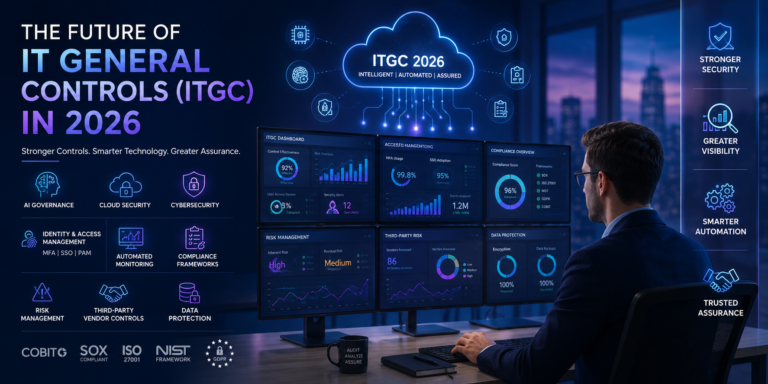
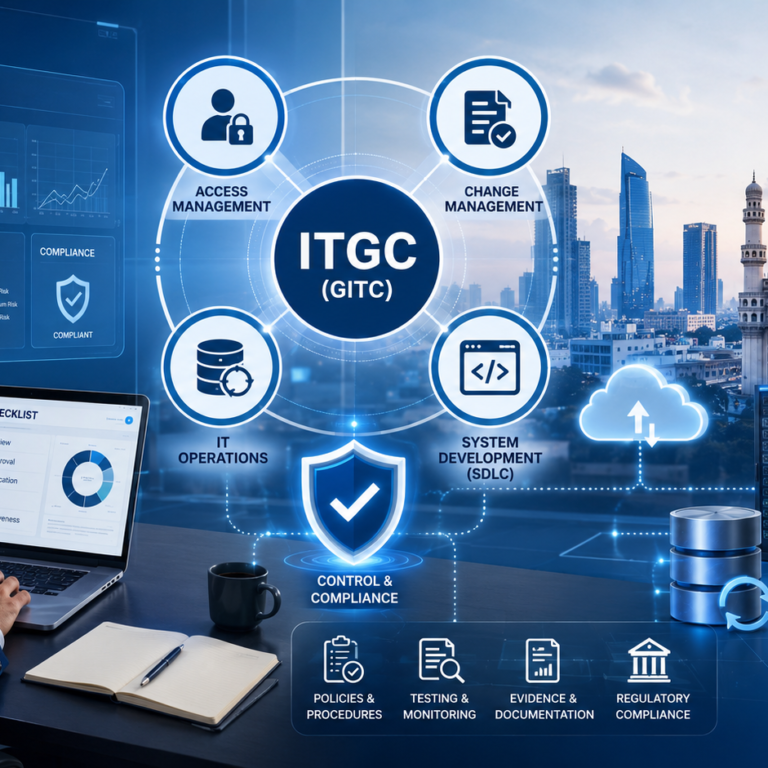
ITGC Certification: The Complete Guide

ITGC Certification: The Complete Guide to Advancing Your IT Audit Career In today’s data-driven and highly regulated business environment, organizations rely heavily on robust internal controls to protect their systems, data, and operations. This is where IT General Controls (ITGC) play a critical role—and why earning an ITGC certification has become increasingly valuable for professionals in IT, audit, risk, and compliance. This guide provides a comprehensive overview of ITGC certification, including its importance, benefits, career opportunities, and how to get started. What Is ITGC? IT General Controls (ITGC) are the foundational controls that govern an organization’s IT systems. They ensure the confidentiality, integrity, and availability of data across applications and infrastructure. ITGC typically covers four key areas: Access Controls – Managing user access and permissions Change Management – Controlling system changes and updates IT Operations – Ensuring reliable and consistent system performance Backup & Recovery – Safeguarding data against loss or failure These controls are essential for compliance with frameworks such as SOX (Sarbanes-Oxley), ISO 27001, and COBIT. What Is an ITGC Certification? An ITGC certification validates your knowledge and practical ability to design, assess, and audit IT general controls. While there isn’t a single universal certification titled “ITGC Certification,” several globally recognized credentials cover ITGC concepts extensively. Popular certifications include: Certified Information Systems Auditor (CISA) Certified Information Systems Security Professional (CISSP) Certified in Risk and Information Systems Control (CRISC) COBIT Foundation Certification Many specialized training providers also offer focused ITGC certification programs tailored to audit and compliance roles. Why ITGC Certification Matters 1. High Demand for Skilled Professionals Organizations worldwide are under pressure to comply with regulations and strengthen cybersecurity. This has created a strong demand for professionals skilled in ITGC. 2. Career Advancement An ITGC certification can open doors to roles such as: IT Auditor Internal Auditor Risk Analyst Compliance Specialist IT Controls Manager 3. Industry Recognition Certifications demonstrate your expertise and commitment, making you stand out in competitive job markets. 4. Higher Salary Potential Certified professionals often earn significantly more than their non-certified peers due to their specialized skills. Key Skills You’ll Gain An ITGC certification equips you with: Understanding of control frameworks (COBIT, ISO, NIST) Risk assessment and control testing techniques Audit documentation and reporting skills Knowledge of regulatory requirements (SOX, GDPR, etc.) Ability to identify and remediate control weaknesses Who Should Pursue ITGC Certification? This certification is ideal for: IT professionals transitioning into audit or compliance Internal and external auditors Risk management professionals Cybersecurity analysts Finance professionals working with SOX compliance Even beginners can start with foundational courses before progressing to advanced certifications. How to Get ITGC Certified Step 1: Choose the Right Certification Select a certification based on your career goals: Entry-level: COBIT Foundation Mid-level: CISA Advanced: CRISC or CISSP Step 2: Enroll in a Training Program Look for a structured training program that includes: Real-world case studies Hands-on audit scenarios Practice exams Step 3: Study the Core Domains Focus on areas like: ITGC frameworks Control design and effectiveness Audit methodologies Risk and compliance Step 4: Practice with Mock Exams Practice tests help you understand exam patterns and improve time management. Step 5: Pass the Certification Exam Schedule and complete your certification exam through the official provider. Common Challenges (and How to Overcome Them) 1. Understanding Technical ConceptsSolution: Use simplified training materials and real-world examples. 2. Lack of Practical ExperienceSolution: Work on case studies and simulated audit environments. 3. Time ManagementSolution: Create a structured study plan and stick to it. Future of ITGC Certification As organizations continue to adopt cloud computing, automation, and AI, ITGC frameworks are evolving. Future ITGC roles will require: Cloud control expertise Automation of control testing Continuous auditing techniques Integration with cybersecurity frameworks This makes ITGC certification not just relevant—but essential for long-term career growth. Final Thoughts An ITGC certification is more than just a credential—it’s a strategic investment in your career. Whether you’re entering the field of IT audit or looking to advance into leadership roles, mastering IT general controls will position you as a valuable asset in any organization. If you’re serious about building a career in IT audit, risk, or compliance, now is the perfect time to start your ITGC certification journey. Looking to get certified? Explore our Hyderabad’s top ITGC training program designed to help you gain practical skills and pass your certification with confidence.

ITGC Certification: The Complete Guide Read More »

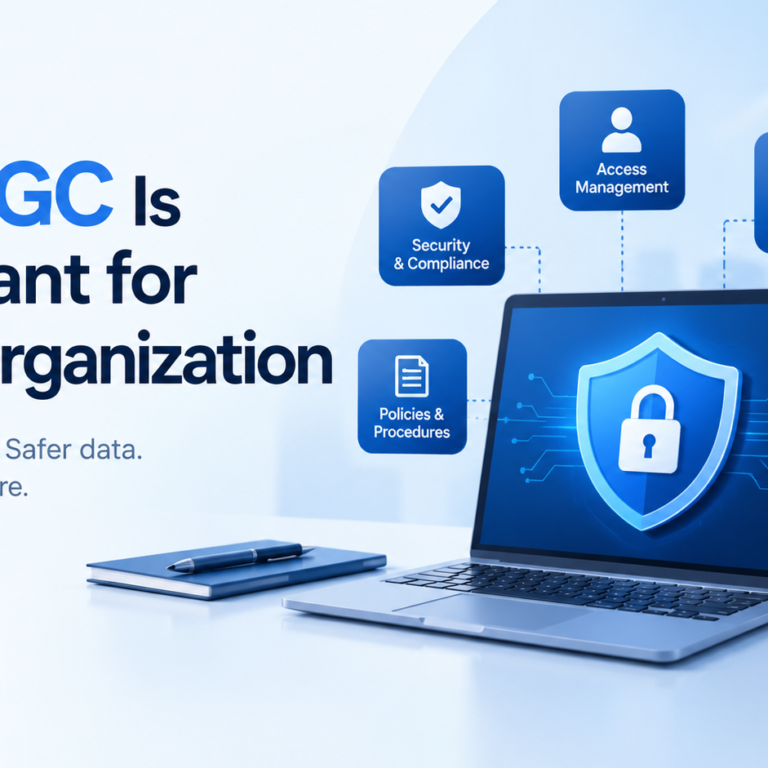
What is ITGC?

What is ITGC ? ITGC stands for Information Technology General Controls. These are the foundational controls that ensure the proper operation of IT systems and safeguard the integrity of data. ITGCs are essential for regulatory compliance, especially in frameworks like SOX (Sarbanes-Oxley), and are widely used across industries such as banking, healthcare, IT services, and manufacturing. Key Components of ITGC When learning what is ITGC, it’s important to understand its core components. ITGC is generally divided into three main areas: 1. Access Controls Access controls ensure that only authorized individuals can access systems and data. This includes: User account creation and deletion Role-based access Password policies Segregation of duties (SoD) Strong access control prevents unauthorized activities and protects sensitive information. 2. Change Management Change management controls govern how changes are made to systems and applications. This involves: Documenting change requests Testing changes before implementation Approving changes through proper channels Tracking system updates Understanding this aspect helps clarify what is ITGC, as uncontrolled changes can lead to system errors or vulnerabilities. 3. IT Operations Controls These controls ensure that IT systems run smoothly on a daily basis. They include: Job scheduling and monitoring Backup and recovery processes Incident and problem management System performance monitoring Effective IT operations ensure business continuity and minimize downtime. Real-World Example of ITGC To better understand what is ITGC, consider a simple example: Imagine a company’s payroll system. Access Control: Only HR and authorized finance staff can access payroll data Change Management: Any updates to salary calculation logic must be approved and tested IT Operations: Regular backups ensure payroll data is not lost If any of these controls fail, it could result in financial errors or compliance issues. This shows how ITGC directly impacts business operations. Who Uses ITGC? Understanding what is ITGC also involves knowing who works with it. ITGC is used by: IT Auditors Risk and Compliance Professionals Internal Auditors Information Security Teams Finance and SOX Compliance Teams These professionals evaluate IT controls to ensure systems are secure and compliant with regulations. Importance of ITGC in Audits One of the main reasons people ask what is ITGC is because of its importance in audits. During an IT audit, auditors assess whether controls are: Properly designed Effectively implemented Consistently followed If ITGC controls are weak, it can impact financial audits and lead to compliance failures. Strong ITGC controls help organizations: Pass audits smoothly Reduce risk of fraud Ensure accurate financial reporting Career Opportunities in ITGC Now that you understand what is ITGC, you might be wondering about career opportunities in this field. ITGC is a high-demand domain with roles such as: IT Auditor SOX Analyst Risk & Compliance Analyst Internal Auditor IT Control Tester With organizations increasingly focusing on governance and security, professionals with ITGC knowledge are highly valued. Skills Required to Learn ITGC To fully grasp what is ITGC and build a career in this field, you need a mix of technical and analytical skills: Basic understanding of IT systems Knowledge of business processes Analytical thinking Attention to detail Communication skills for reporting The good news is that you don’t need deep technical expertise to get started. With the right training, anyone can learn ITGC from scratch. How to Learn ITGC Effectively If you are serious about understanding what is ITGC and building a career in this field, structured learning is key. A good training program will help you: Understand concepts in a simple way Practice real-time scenarios Learn how to perform control testing Prepare for job interviews Instead of just theoretical knowledge, practical exposure is what makes you job-ready. Why Practical Training Matters Many learners struggle even after understanding what is ITGC because they lack hands-on experience. Practical training helps you: Work on real audit scenarios Understand how controls are tested Gain confidence in interviews Be prepared for real job responsibilities This is why choosing the right training institute plays a crucial role in your learning journey.  Common Challenges in Understanding ITGC When learning what is ITGC, beginners often face challenges such as: Confusion between ITGC and application controls Difficulty understanding audit terminology Lack of real-world examples Limited practical exposure These challenges can be overcome with guided training and structured learning. Future Scope of ITGC The demand for ITGC professionals is growing rapidly as organizations adopt new technologies like cloud computing and automation. Understanding what is ITGC today can open doors to future roles in: Cybersecurity IT Risk Management Governance and Compliance Data Protection As businesses continue to digitize, ITGC will remain a critical function in ensuring secure and reliable systems. Conclusion So, what is ITGC? It is the foundation of IT governance that ensures systems are secure, data is reliable, and processes are controlled. From access management to change control and IT operations, ITGC plays a vital role in every organization. Whether you are a student, fresher, or working professional, learning ITGC can open up exciting career opportunities in IT audit and compliance. With the right combination of conceptual understanding and practical training, you can build a strong career in this growing field.

What is ITGC? Read More »

Salesforce Careers 2026 — Roadmap, Roles, Skills, Salary & How to Get Started

Introduction Salesforce is one of the most popular and powerful CRM platforms in the world. Many students and working professionals are planning to build their careers in Salesforce, but they often feel confused about where to start, which roles to choose, and how to get a job. If you are also thinking about Salesforce careers, you are in the right place. In this blog, you will learn everything about Salesforce careers in 2025, including the career roadmap, job roles, required skills, certifications, salary details, and how beginners can start step by step. What is Salesforce? Salesforce is a cloud-based Customer Relationship Management (CRM) platform that helps companies manage sales, marketing, customer service, and business relationships in one place. Salesforce is widely used by: It is trusted by thousands of organizations worldwide. Why Choose a Career in Salesforce? Salesforce careers are in high demand because: Salesforce professionals are needed in IT, banking, healthcare, retail, and e-commerce sectors. Salesforce Career Roadmap (Beginner to Expert) Step 1: Learn Salesforce Basics Step 2: Choose Your Career Path Based on your interest, choose one: Step 3: Learn Salesforce Trailhead Trailhead is Salesforce’s free learning platform. Step 4: Hands-on Practice Step 5: Certification Preparation Salesforce Career Roles Salesforce Administrator Salesforce Developer Salesforce Business Analyst Salesforce Consultant Salesforce Architect Skills Required for Salesforce Careers (2025) Technical Skills Non-Technical Skills Salesforce Certifications (Overview) Popular Salesforce certifications include: Beginners should start with Salesforce Certified Administrator. Salesforce Salary in India (2025) Experience Salary Range Fresher ₹4L – ₹7L 1–3 years ₹7L – ₹12L 3–5 years ₹12L – ₹20L 5+ years ₹20L – ₹35L+ Globally, Salesforce professionals earn $85,000 – $150,000+ per year. Salesforce Job Opportunities Salesforce professionals are hired as: Top hiring industries: Salesforce Interview Questions (Simple Answers) Q1. What is Salesforce? A cloud-based CRM platform used to manage customer relationships. Q2. What is an Object in Salesforce? A database table that stores records. Q3. What is Trailhead? Salesforce’s free online learning platform. Q4. What is Apex? A programming language used in Salesforce. Q5. What is Lightning? The modern UI framework of Salesforce. How to Start a Salesforce Career as a Fresher Consistency and practice are the keys to success. Conclusion Salesforce careers offer strong growth, good salaries, and global opportunities. With the right learning path, certifications, and hands-on practice, beginners can successfully enter this field in 2025. If you are looking for structured training, real-time projects, and placement support, MTJ Job Solutions can help you build a successful Salesforce career.

Salesforce Careers 2026 — Roadmap, Roles, Skills, Salary & How to Get Started Read More »

Azure DevOps Certification Guide 2025 — Roadmap, Skills, Salary & Preparation

Introduction Azure DevOps is one of the most in-demand skills today for cloud and DevOps engineers. However, many beginners get confused about how to start, which tools to learn, what certification to choose, and how to prepare for jobs. If you are also confused, don’t worry. In this blog, you will learn the complete Azure DevOps certification roadmap for 2025, including skills required, tools, salary details, job roles, and preparation strategy in a simple and easy-to-understand way. By the end of this guide, you will clearly know how to start learning Azure DevOps and prepare for certification confidently. What is Azure DevOps? Azure DevOps is a Microsoft platform that provides tools to plan, develop, test, deploy, and manage applications. It supports DevOps practices like CI/CD, automation, version control, and project tracking. Azure DevOps includes the following services: It helps teams collaborate efficiently and deliver software faster. Why Azure DevOps is in High Demand (2025) Azure DevOps demand is growing rapidly because: Azure DevOps engineers are required in cloud, DevOps, and platform teams across industries. What is Azure DevOps Certification? Azure DevOps certification validates your ability to design, implement, and manage DevOps practices using Microsoft Azure technologies. Popular Azure DevOps Certification Microsoft Certified: DevOps Engineer Expert This certification focuses on: Prerequisites Before attempting this certification, it is recommended to have: Exam Details Azure DevOps Certification Roadmap (Step-by-Step) Step 1: Learn the Basics Step 2: Learn Azure Core Services Step 3: Learn Azure DevOps Services Step 4: Learn Automation and IaC Step 5: Hands-on Projects Step 6: Mock Tests and Certification Azure DevOps Tools and Services Azure DevOps Platform Tools Commonly Integrated Tools Skills Required for Azure DevOps (2025) Technical Skills Soft Skills Azure DevOps Salary in India (2025) Experience Salary Range Fresher ₹5L – ₹8L 1–3 years ₹8L – ₹14L 3–5 years ₹15L – ₹22L 5+ years ₹22L – ₹35L+ Global salaries typically range from $90,000 to $160,000+ per year. Azure DevOps Job Roles Azure DevOps Interview Questions (Simple Answers) Q1. What is Azure DevOps? A platform that provides tools for CI/CD, collaboration, and automation. Q2. What is Azure Pipeline? A CI/CD service used to build, test, and deploy applications. Q3. What is a YAML pipeline? A pipeline defined as code using YAML format. Q4. What is Infrastructure as Code (IaC)? Managing infrastructure using code instead of manual configuration. Q5. Which certification is required for Azure DevOps? Microsoft Certified: DevOps Engineer Expert (AZ-400). How to Prepare for Azure DevOps Certification Conclusion Azure DevOps is one of the best career options in cloud and DevOps today. With the right roadmap, hands-on practice, and proper certification preparation, you can become job-ready and highly paid in 2025. If you are looking for structured training, real projects, and placement support, MTJ Job Solutions can help you learn Azure DevOps step by step.

Azure DevOps Certification Guide 2025 — Roadmap, Skills, Salary & Preparation Read More »

Scroll to Top